Queue Management System in Saudi Arabia: 7 Fixes for 2026
A long line at a government service counter or a busy telecom branch does more than frustrate customers — it quietly drains revenue and reputation. In 2026, more Saudi organizations are discovering that a queue management system in saudi arabia is no longer a luxury reserved for airports and hospitals. It has become a basic expectation for any business that serves walk-in customers. This guide breaks down exactly why queues still pile up, what good queuing technology looks like today, and how to roll it out without breaking daily operations.
Why Wait Times Are Still Hurting Saudi Businesses in 2026
Saudi Arabia’s population has grown rapidly, and so has demand for government, banking, and telecom services in dense urban centers. Many branches still rely on handwritten tickets or a single staff member calling out names. The result is uneven service, long idle periods for some counters, and visible overcrowding at others.
Customers now compare every in-person experience to the speed of a mobile app. When a branch visit takes 40 minutes instead of 10, the frustration translates directly into negative reviews and lost repeat business. Fixing this is no longer optional for brands that want to compete in 2026.
What Does a Modern Queue Management System in Saudi Arabia Actually Do?
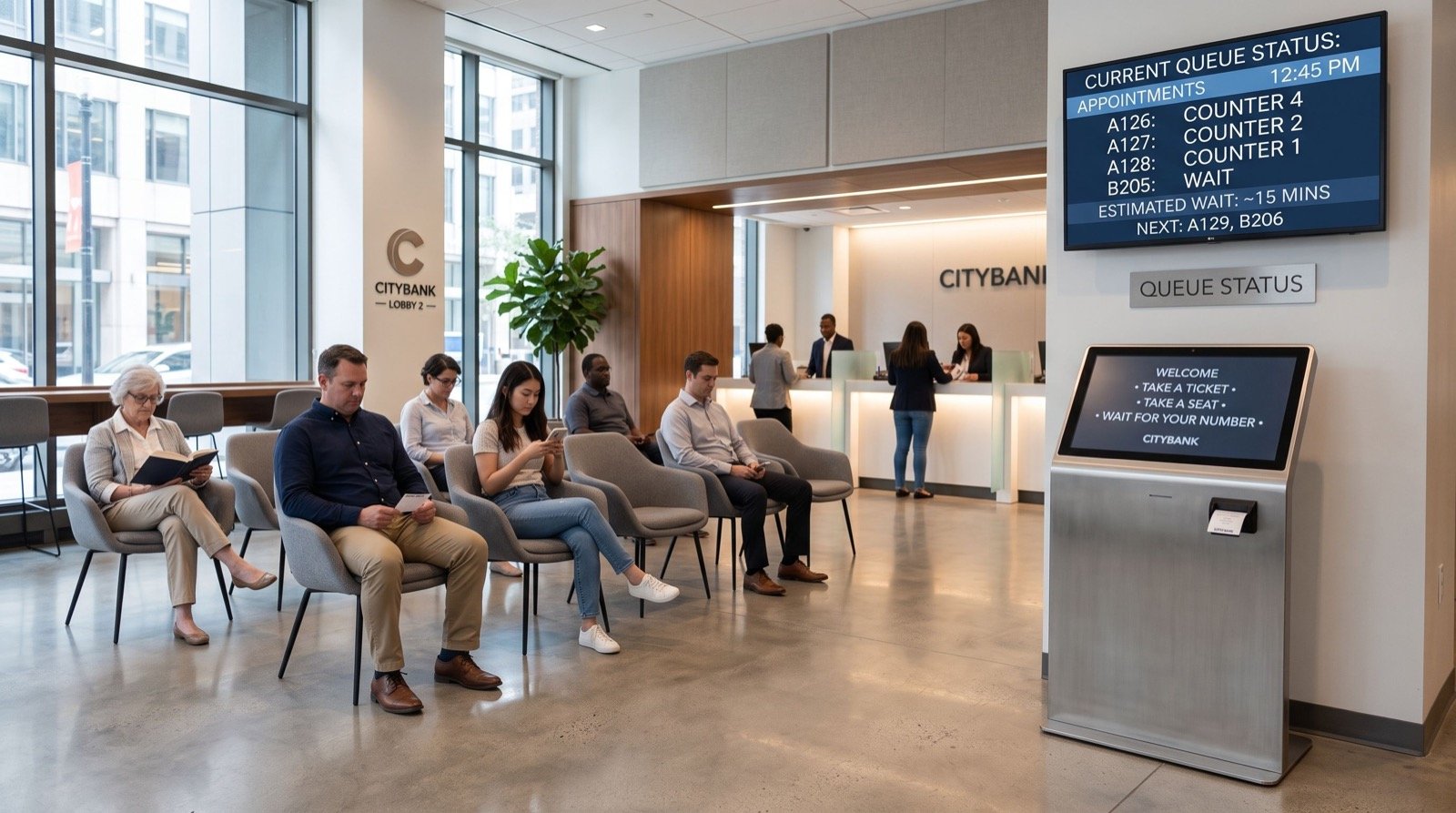
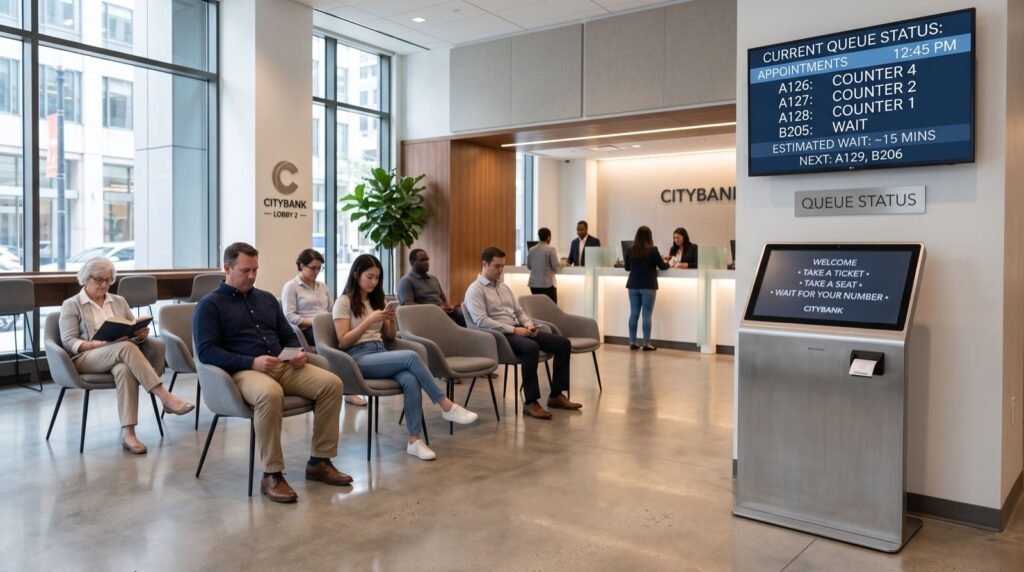
A modern system issues a digital ticket at a kiosk or via SMS, routes customers to the right counter based on service type, and displays real-time wait estimates on screens throughout the branch. Staff see a live dashboard instead of guessing who is next.
Core Hardware Components
Most deployments combine a ticket-dispensing kiosk, LED or LCD call displays, counter-side agent terminals, and a central server that logs every transaction for later analysis.
Software and Analytics Layer
Behind the hardware sits reporting software that tracks average wait time, service duration, and staff productivity by hour and by branch, letting managers staff appropriately on the busiest days.
Government Offices vs Retail Branches: Where Queuing Technology Pays Off First
Not every location needs the same configuration. The table below compares two of the most common deployment scenarios in the Kingdom.
| Factor | Government Service Center | Retail / Telecom Branch |
|---|---|---|
| Average daily footfall | 300–800 visitors | 100–350 visitors |
| Priority handling needed | Yes (elderly, disabled, VIP) | Sometimes (premium customers) |
| Integration requirement | National ID systems | CRM / billing systems |
| Typical ROI window | 6–9 months | 4–7 months |
Government centers see the fastest complaint reduction because queuing chaos was previously their biggest source of public criticism. Retail branches see the fastest revenue impact because shorter waits convert directly into more transactions per day.
Choosing the Right Partner: What Should You Look for Before You Buy?
Hardware alone will not fix a queuing problem. The integration, local support, and after-sales service matter just as much as the ticket kiosk itself.
- Local spare-parts stock and fast replacement turnaround
- Arabic and English language support on displays and tickets
- Proven installations in similar Saudi industries
- Clear SLA for onsite technical response
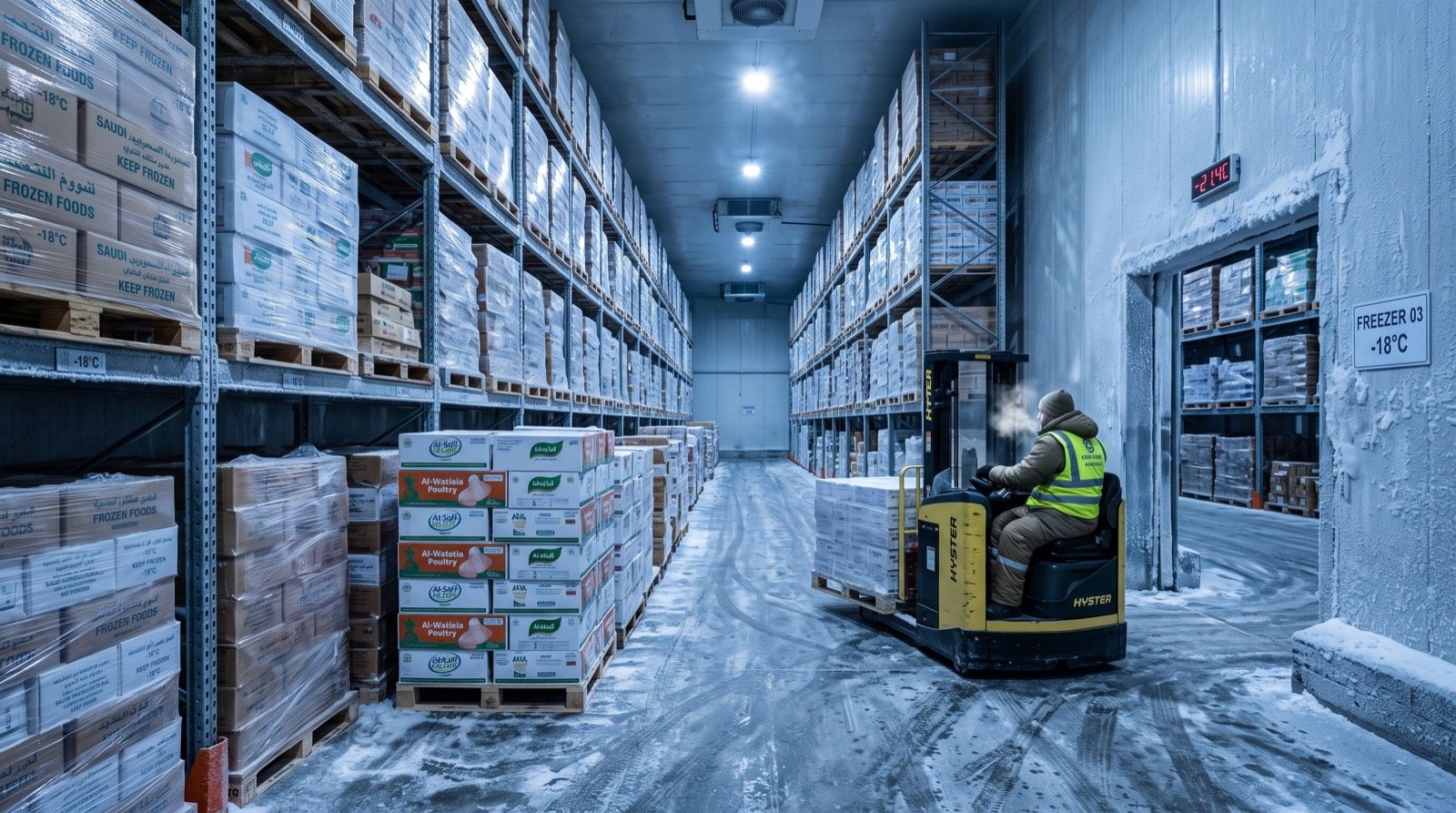
Working with dependable specialists who already understand regional supply chains and storage logistics prevents the common failure point of waiting weeks for a replacement component after a breakdown.
Step-by-Step: Rolling Out a Queue System Without Disrupting Operations
A phased rollout keeps staff and customers comfortable with the change instead of overwhelming them on day one.
- Audit current foot traffic and peak hours for at least two weeks.
- Pilot the system in one branch or department first.
- Train frontline staff on the new dashboard before public launch.
- Collect wait-time data for 30 days and adjust counter allocation.
- Scale the configuration to additional branches using lessons learned.
According to Saudi Arabia’s Vision 2030 program, improving the quality and efficiency of public and private services is a core national priority, which is pushing many sectors to modernize customer-facing operations faster than before.
From Riyadh to Karachi: Regional Lessons Worth Copying
Saudi operators are not alone in this shift. A comparable queue management system in karachi has helped Pakistani banks and telecom centers cut average wait times significantly over the past two years, proving the same technology adapts well across different regulatory and cultural settings. Saudi businesses can learn from these deployments by starting with the busiest single branch rather than attempting a nationwide rollout at once.
Data from the Kingdom’s General Authority for Statistics shows continued urban population growth in major cities, which means service counters will only get busier through 2026 and beyond. Acting now is cheaper than retrofitting later.
Measuring Success: Which Metrics Actually Matter?
Installing hardware is only the first half of the project. Branch managers who track the right numbers see the real payoff, while those who only glance at the screens miss most of the value.
Average Wait Time by Service Category
Tracking wait time separately for cash transactions, account services, and complaints reveals exactly which counter type needs an extra staff member during peak hours, instead of guessing from overall branch volume alone.
Abandonment Rate
Every customer who takes a ticket and leaves before being served is a lost transaction and a warning sign. A healthy branch keeps abandonment under five percent once the system stabilizes; a rate above ten percent usually points to understaffing rather than a software problem.
Reviewing these two numbers monthly, alongside staff productivity reports, turns a queue management system in Saudi Arabia from a simple ticket dispenser into a genuine management tool that shapes staffing decisions, shift planning, and even which branches deserve renovation budget first.
Frequently Asked Questions
How much does a queue management system cost in Saudi Arabia?
Pricing varies by branch size and feature set, but small single-counter kiosks typically start in the low thousands of riyals, while multi-branch enterprise rollouts with analytics dashboards cost considerably more. Most vendors offer a per-branch quote after a site survey.
Can the system work in both Arabic and English?
Yes. Reputable systems display tickets, counter calls, and reports bilingually, which is essential for both government offices and private businesses serving a mixed-language customer base.
How long does installation usually take?
A single-branch installation typically takes one to three days, including staff training, while multi-branch rollouts are scheduled in phases over several weeks.
Does the system integrate with existing CRM or ID verification tools?
Most modern platforms offer APIs that connect to CRM, billing, and national ID verification systems, so customer data flows into existing records instead of creating a separate silo.
What is the biggest mistake businesses make when adopting queuing technology?
The most common mistake is treating the rollout as a one-time hardware purchase rather than an ongoing process. Teams that never review the analytics dashboard after launch miss most of the long-term benefit, since the real value comes from adjusting staffing and counter allocation based on real data month after month.
Long queues are a solvable problem, not a permanent cost of doing business. Whether you manage a government office or a telecom branch, a well-chosen queue management system in Saudi Arabia pays for itself through faster service, happier customers, and measurable staff efficiency gains well before the end of 2026.