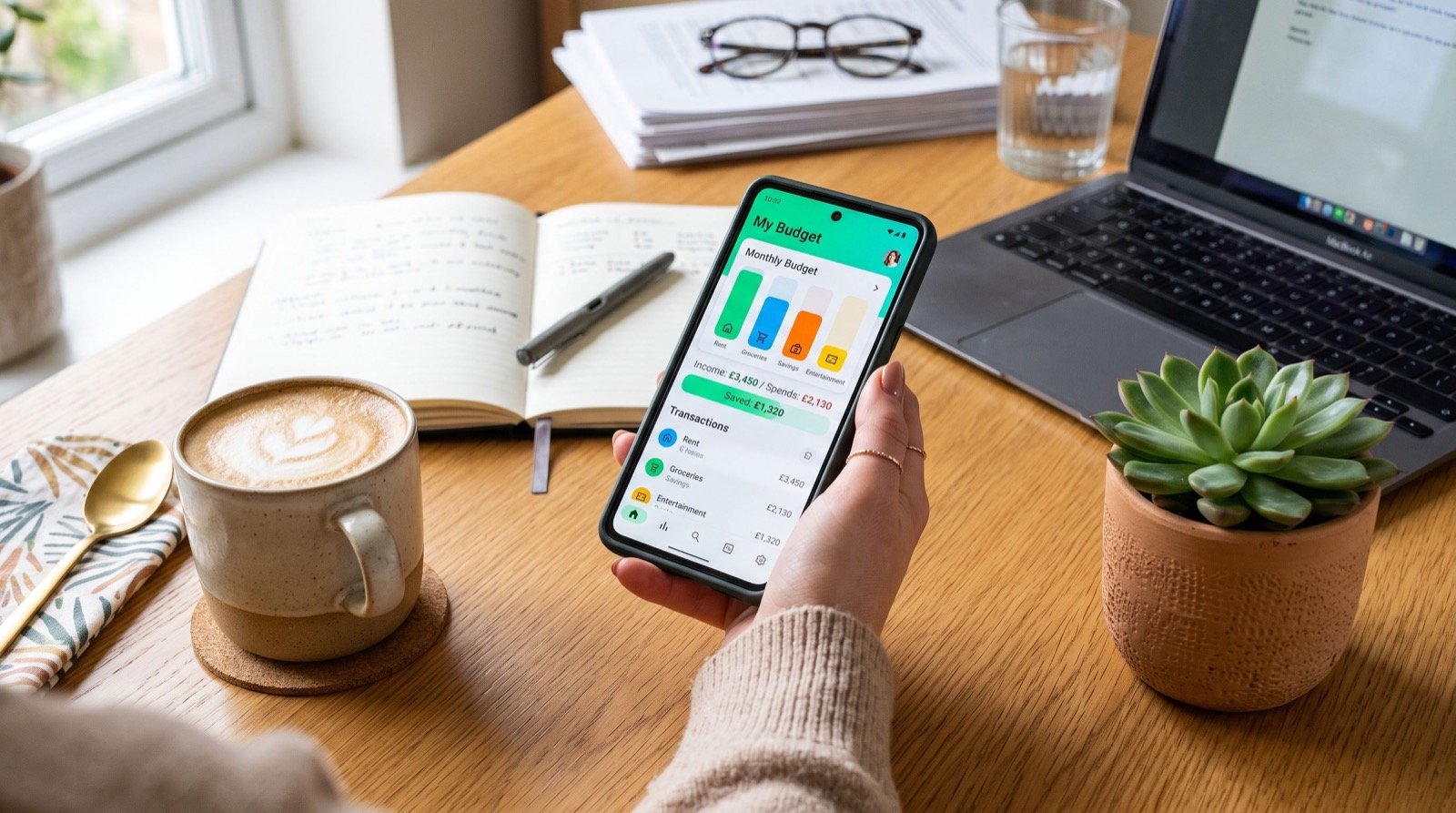
Best Budgeting Apps to Manage Your Money in 2026
Managing money by memory rarely works. Bills slip through, subscriptions quietly renew, and payday disappears faster than expected. The right budgeting app fixes that by putting every dollar on one screen. In 2026, the best money apps do far more than track spending, and picking the right one can reshape your entire financial year.
This guide compares the leading tools, explains how to choose one, and shows how a simple digital wallet like Cash App can sit at the center of your routine. Whether you want to crush debt or finally start saving, there is a system here for you.
Why a Budgeting App Beats a Spreadsheet
Spreadsheets are powerful, but they require you to enter every transaction by hand. That friction is why most budgets fail. A modern app connects to your accounts and categorizes purchases automatically, so your budget updates while you sleep.
Automation matters because consistency drives results. Research summarized by the U.S. Securities and Exchange Commission shows that people who monitor their finances regularly make better long-term decisions. An app that nudges you keeps that habit alive.
What a good app should give you
- Automatic transaction syncing from banks and cards.
- Clear spending categories you can rename and adjust.
- Bill reminders so nothing goes to collections.
- Savings goals with visible progress bars.
- Alerts when you approach a category limit.
Comparing the Best Money Apps of 2026
No single app wins for everyone. Your ideal pick depends on whether you want strict envelope budgeting, effortless tracking, or an all-in-one wallet that also handles payments and investing. The best money apps tend to share a few traits: clean design, automatic syncing, and a free tier that beginners can actually rely on.
| App Type | Best For | Standout Feature |
|---|---|---|
| Zero-based budgeter | Detail-focused planners | Assigns every dollar a job |
| Auto-tracking app | Hands-off users | Categorizes spending for you |
| All-in-one wallet | Beginners | Pay, save, and invest together |
| Debt-payoff app | Loan holders | Snowball and avalanche plans |
| Couples app | Shared households | Joint and private categories |
An all-in-one wallet often makes the smoothest starting point. It removes the need to juggle multiple logins. For a walkthrough of one popular option, this Cash App guide breaks down payments, savings, and direct deposit in plain language.
How Do You Choose the Right Budgeting App?
Start with your biggest pain point. If overspending is the issue, pick an app with hard category limits and alerts. If you simply never save, choose one that automates transfers on payday.
Next, check the cost. Some apps charge a monthly fee, while others are free with optional upgrades. A budgeting tool should save you more than it costs, so weigh the price against the features you will actually use.
A quick selection checklist
- Does it connect to your specific bank?
- Is the interface simple enough that you will open it daily?
- Does it protect data with encryption and two-factor login?
- Can you set and track a savings goal?
- Does the free plan cover your needs?
Setting Up Your Budget the Smart Way
Once you pick an app, the setup decides your success. Begin by listing your fixed costs: rent, utilities, insurance, and loan payments. These do not change month to month, so they form the base of your plan.
Then apply a proven framework. The 50/30/20 rule splits after-tax income into needs, wants, and savings. It gives structure without demanding that you track every coffee.
The 50/30/20 breakdown
- 50% needs: housing, groceries, transportation, minimum debt payments.
- 30% wants: dining out, streaming, hobbies, travel.
- 20% savings: emergency fund, retirement, extra debt payoff.
Automate the savings portion first. When money moves before you can spend it, the budget almost enforces itself. Our advice draws on reputable service experts who help households set up these systems every day.
If the percentages feel rigid, treat them as a starting point rather than a rule. Someone with high rent might need 60% for needs and adjust wants downward. The framework works best when you shape it around your real life instead of forcing your life into the numbers.
Common Budgeting Mistakes to Avoid in 2026
The most frequent error is building a perfect budget and never opening the app again. A budget is a living document. Check it weekly, adjust categories, and forgive small overspends instead of quitting entirely.
Another mistake is ignoring irregular expenses. Car repairs, annual subscriptions, and holidays are predictable if you plan for them. Set aside a small “sinking fund” each month so these costs never derail you.
A third trap is chasing every new feature. Apps love to add tools, but more buttons rarely mean more savings. Master two or three core features, such as automatic transfers and category alerts, before you explore the rest. Simplicity keeps you consistent, and consistency is what actually grows your balance in 2026.
Frequently Asked Questions
Are budgeting apps safe to link to my bank?
Reputable apps use bank-level encryption and read-only connections, meaning they can see transactions but not move your money. Always enable two-factor authentication for extra protection.
Do I need to pay for a budgeting app?
Not necessarily. Many strong apps offer free plans that cover tracking, goals, and alerts. Paid tiers add features like advanced reports, but a free tool is enough for most beginners in 2026.
How often should I check my budget?
A quick daily glance and a longer weekly review work best. Daily checks catch surprises early, while the weekly review lets you adjust categories and celebrate progress.
Can one app handle both budgeting and payments?
Yes. All-in-one wallets combine payments, savings, and spending insights in a single place, which is ideal if you want to reduce the number of apps you manage.
Final Thoughts
The best money apps in 2026 do the heavy lifting so you can focus on decisions, not data entry. Pick a tool that matches your biggest challenge, set up automatic savings, and check in weekly. That simple rhythm turns budgeting from a chore into a quiet advantage.
Ready to take control? Choose one app this week, connect your main account, and set your first savings goal. Small, steady steps today build the financial freedom you will thank yourself for tomorrow.